
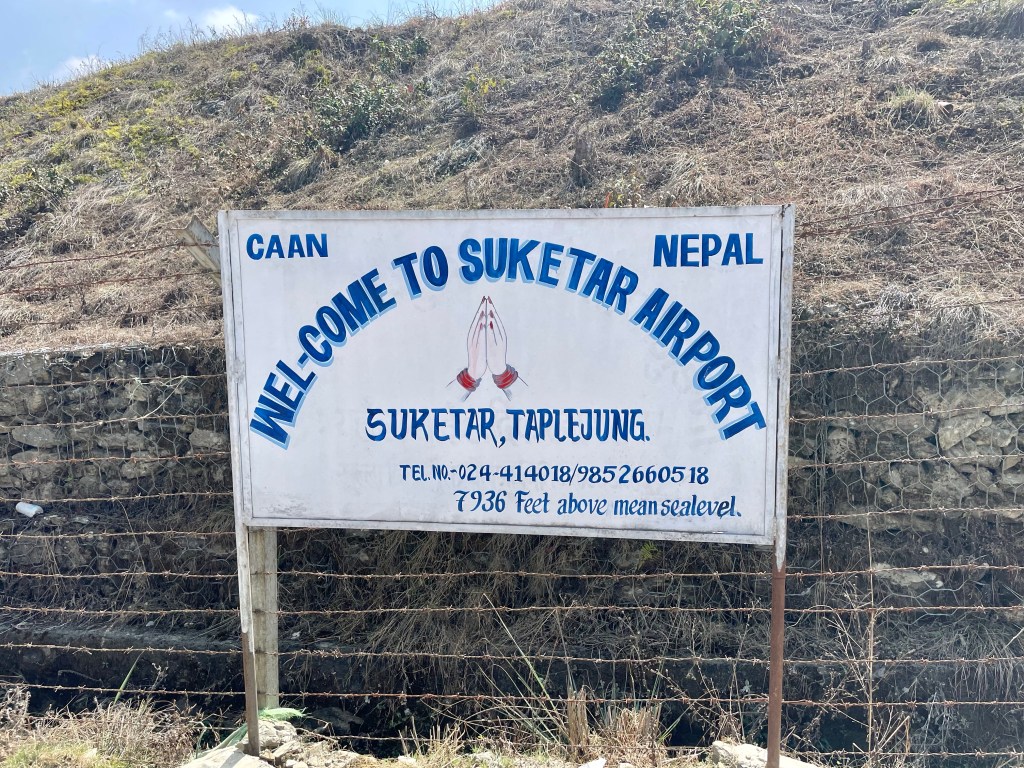
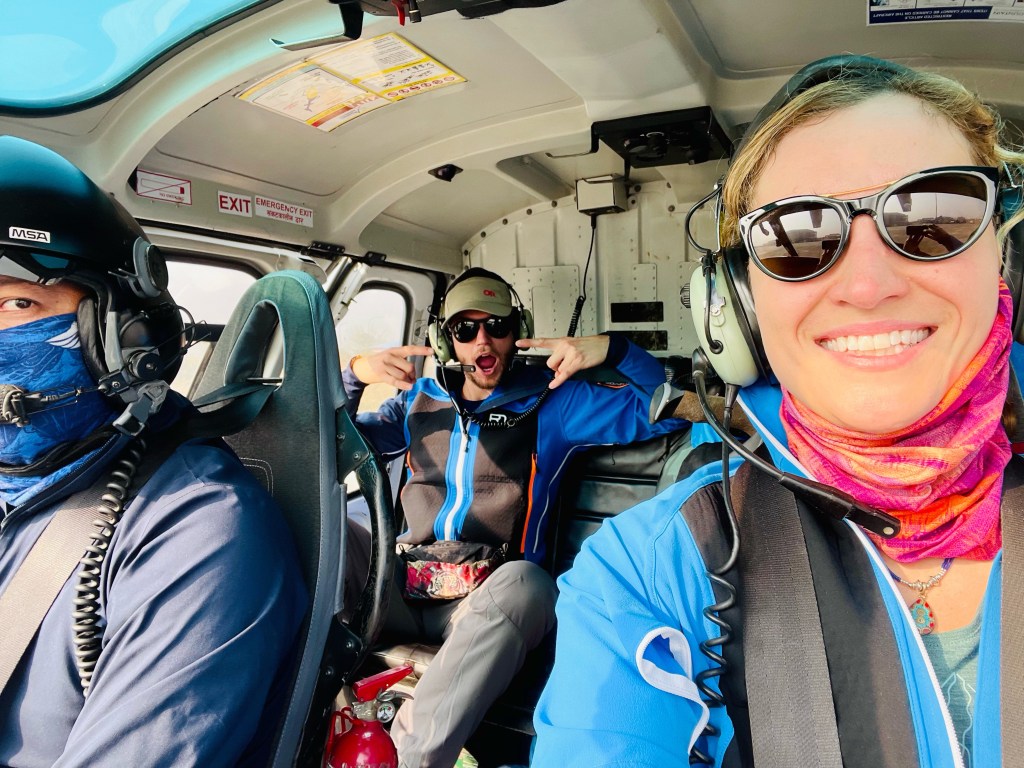
To start the trail we flew in to a tiny airstrip in the village of Suketar. We flew ahead of the other 4 team members after successfully avoiding a few KTM airport snafus. The first when they tried to take all of our fuel canisters we needed for cooking on the trail. The second being when the helicopter company we were flying with didn’t know about us needing 2 helos to fly out that day. Luckily, we arrived around 10 am with all of our gear safely and were greeted by our friendly porter crew led by Phurba Sherpa (surname). We had 7 porters joining us for the first leg to Ghunsa to help carry the 11 days of food each and snow shoes for the section from Ghunsa to Langmale.
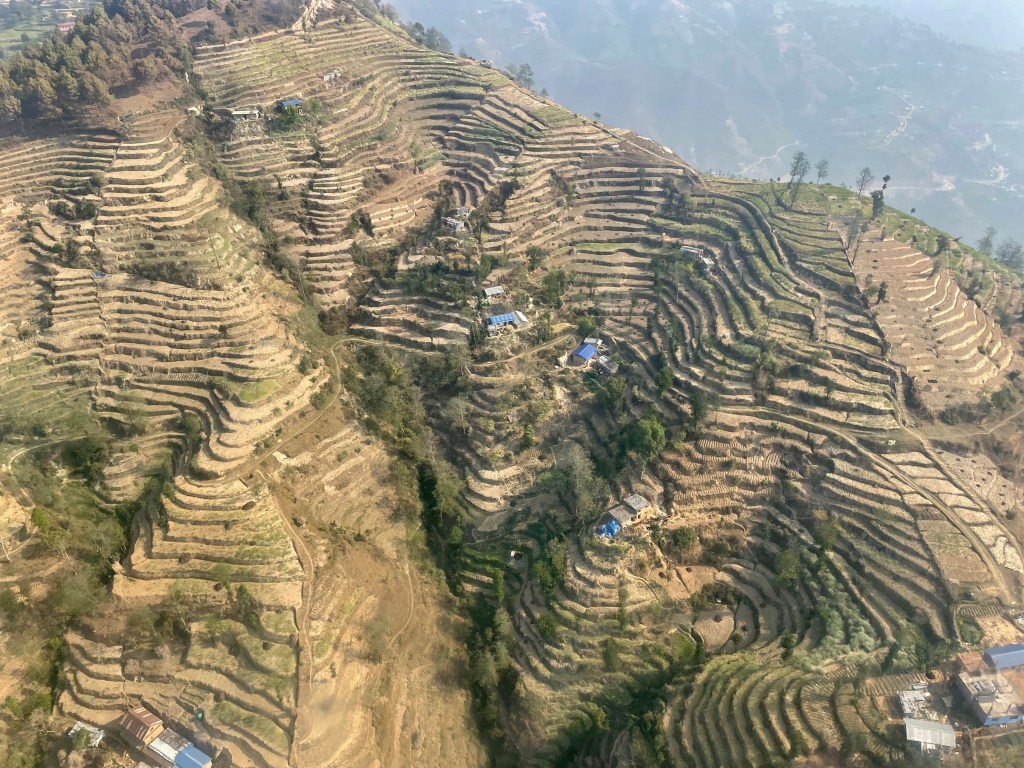
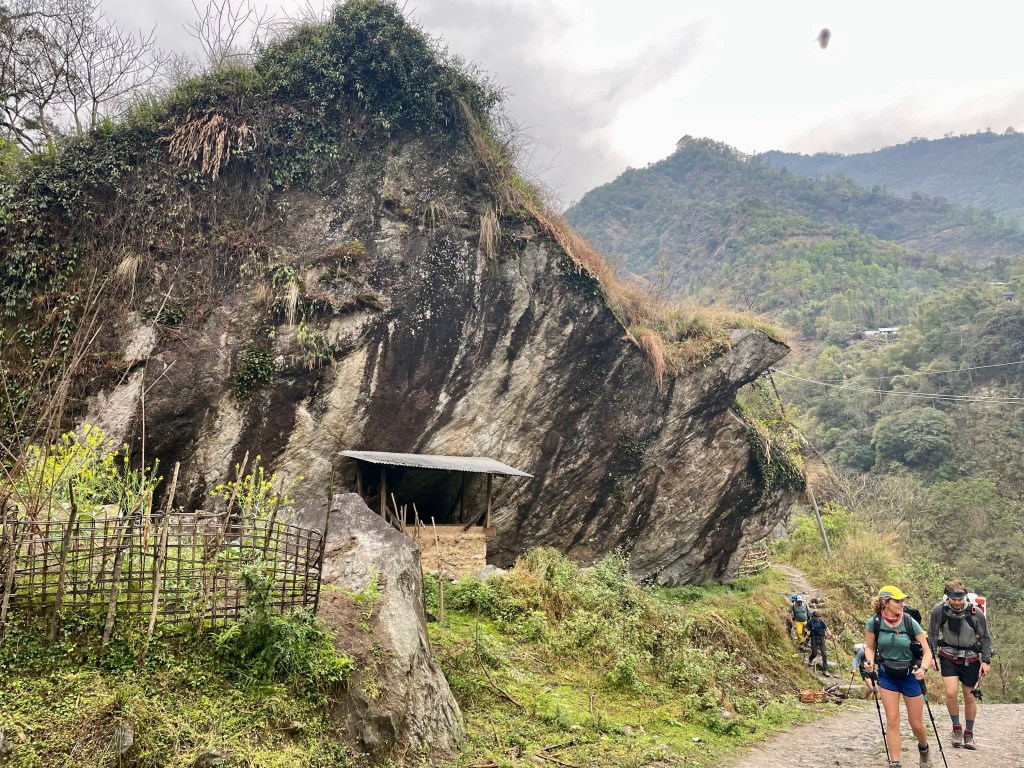
After 8 days we made it from Suketar to Ghunsa, hiking as low as 3,000 ft and up to 11,228 ft. We took an extra rest day in Gyabla because one of our teammates was ill. The Nepali belly bug has hit 3 out of 6 of us so far. Matt says we’ll all get it as least once.




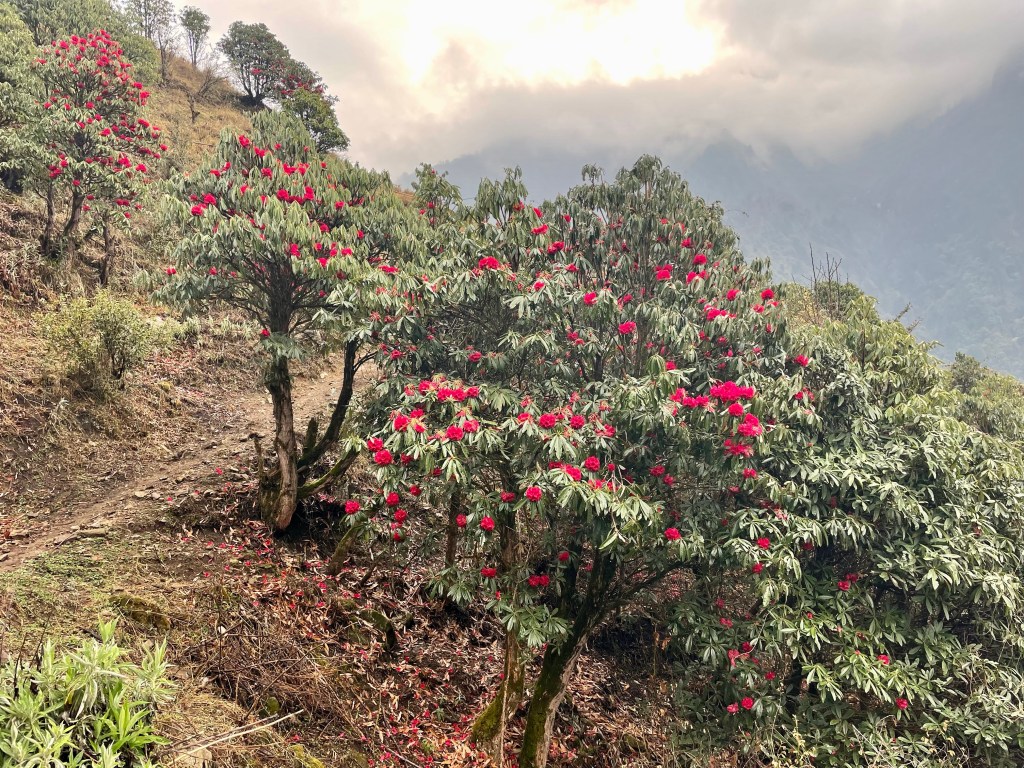

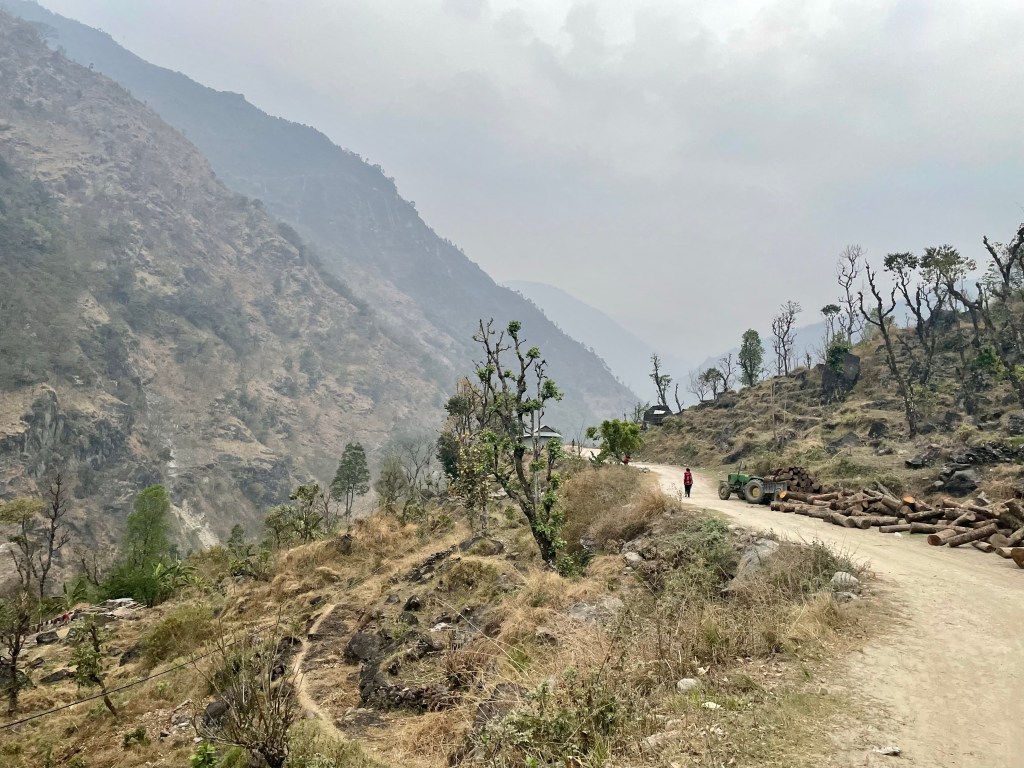
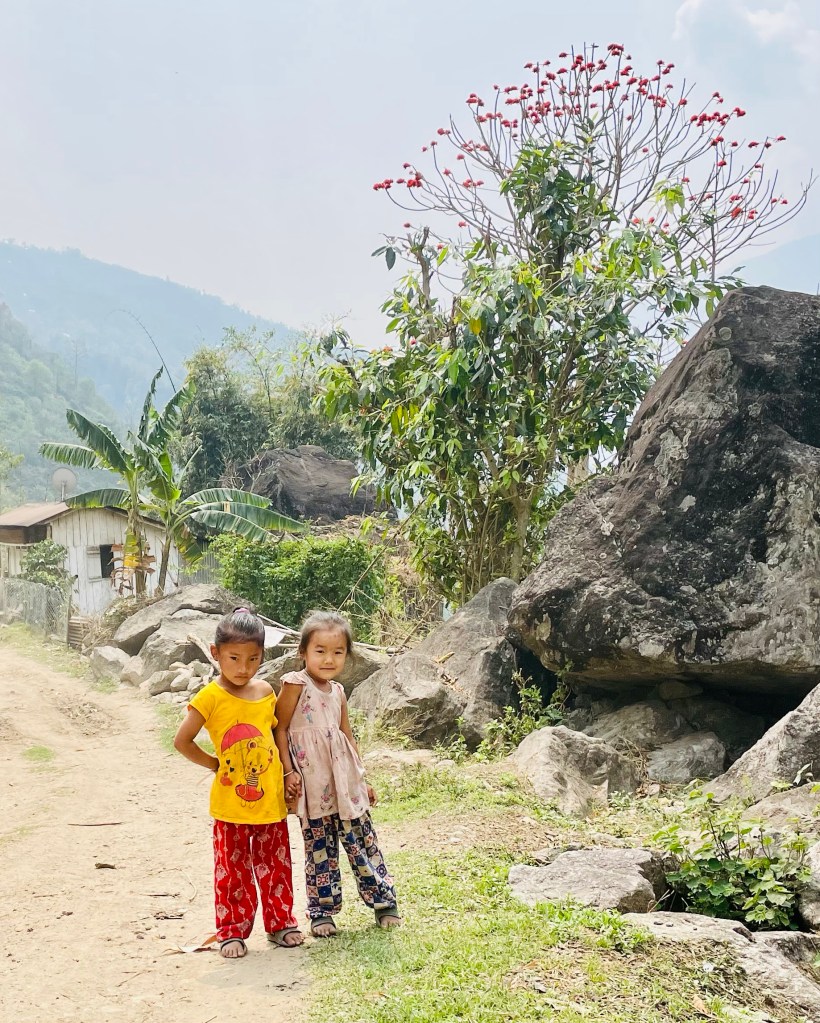

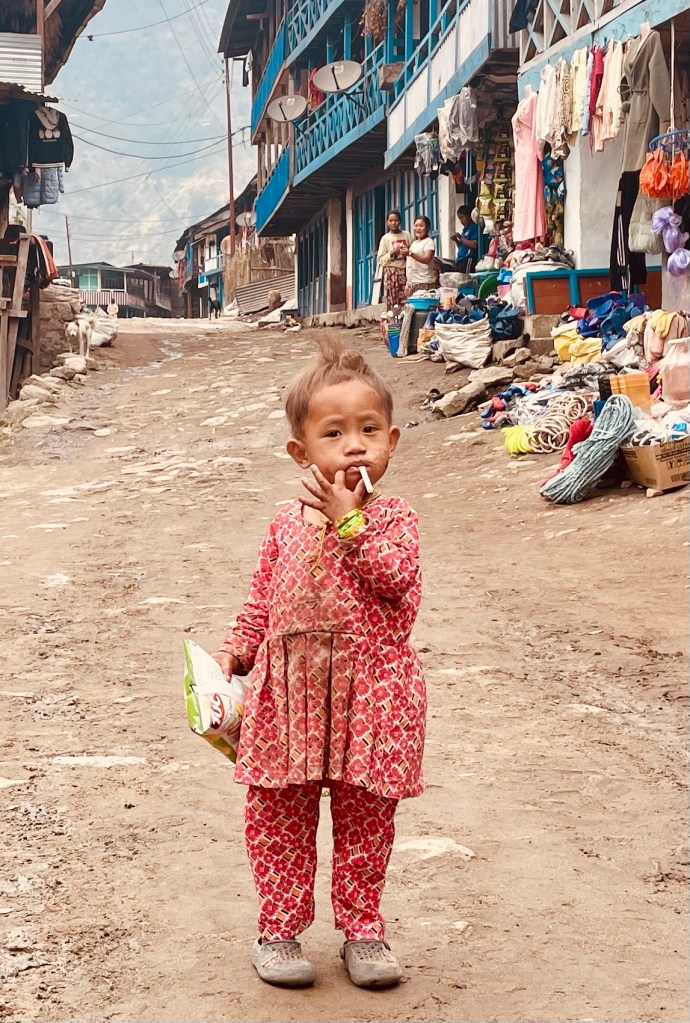


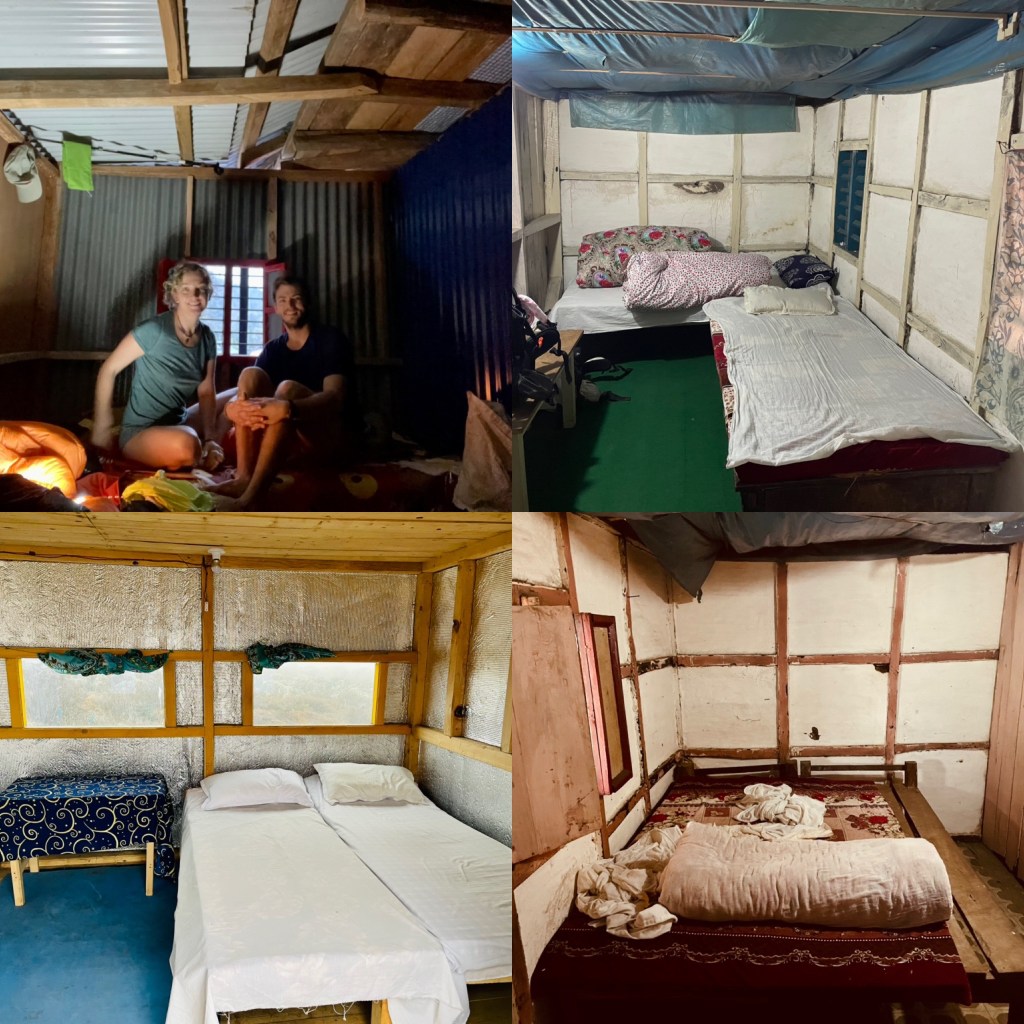
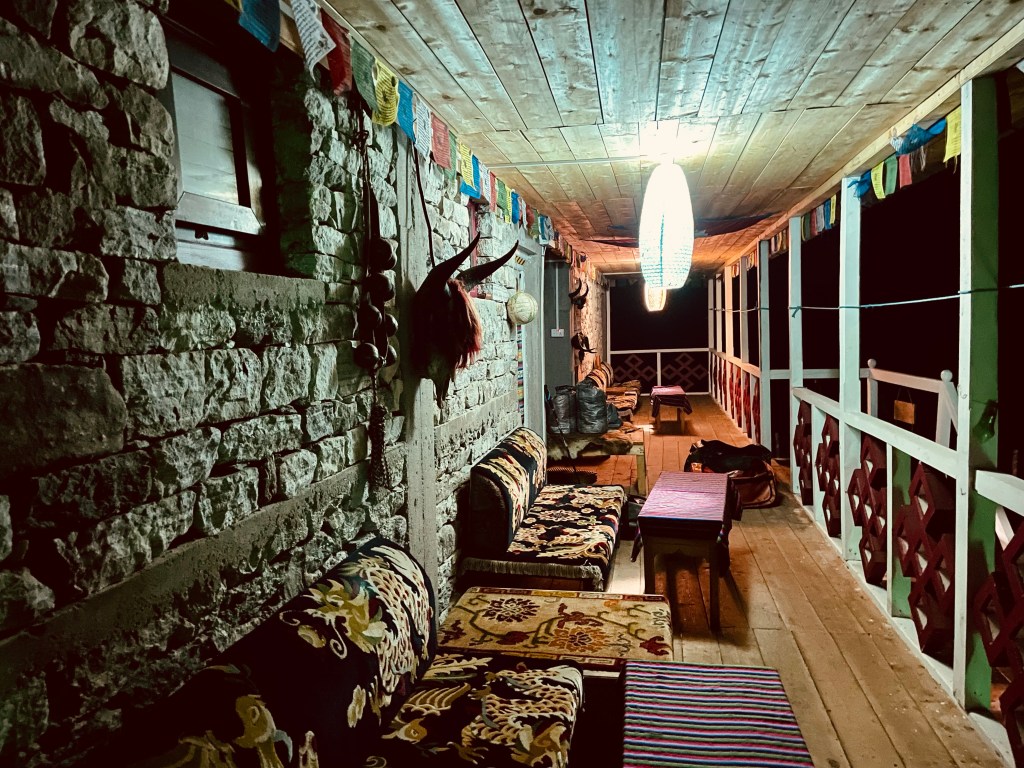
We have been staying at tea houses this section. The rooms are quite simple, some better than others. They are usually a compilation of corrugated metal & plastic, tarps, and sometimes plywood.

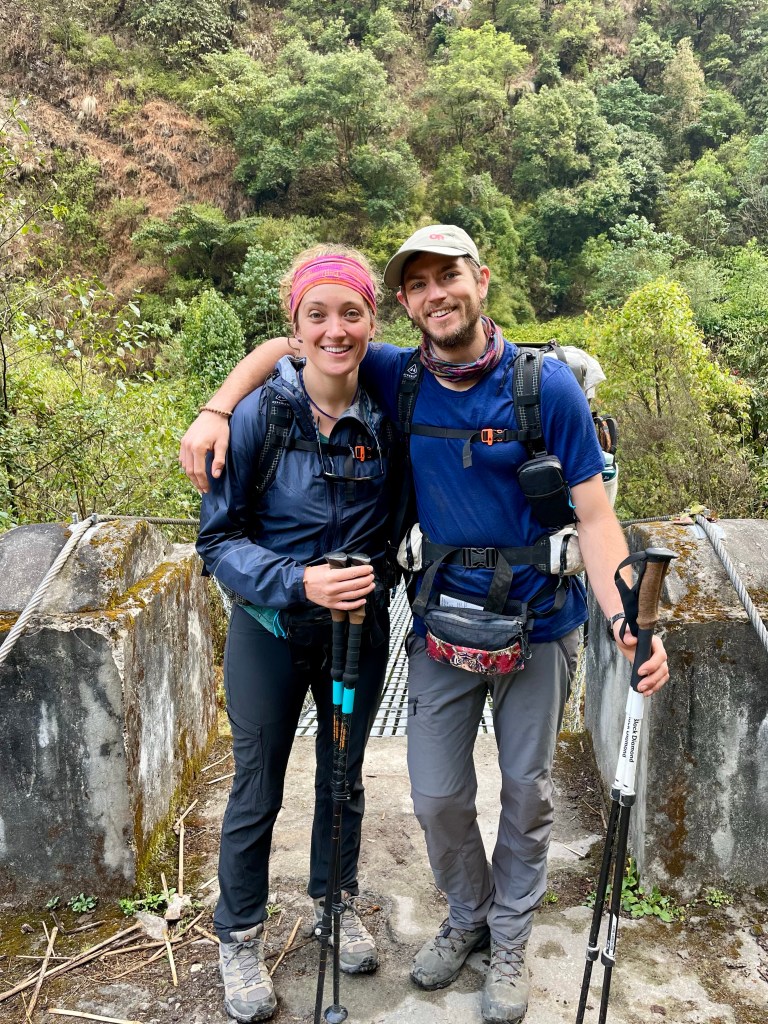
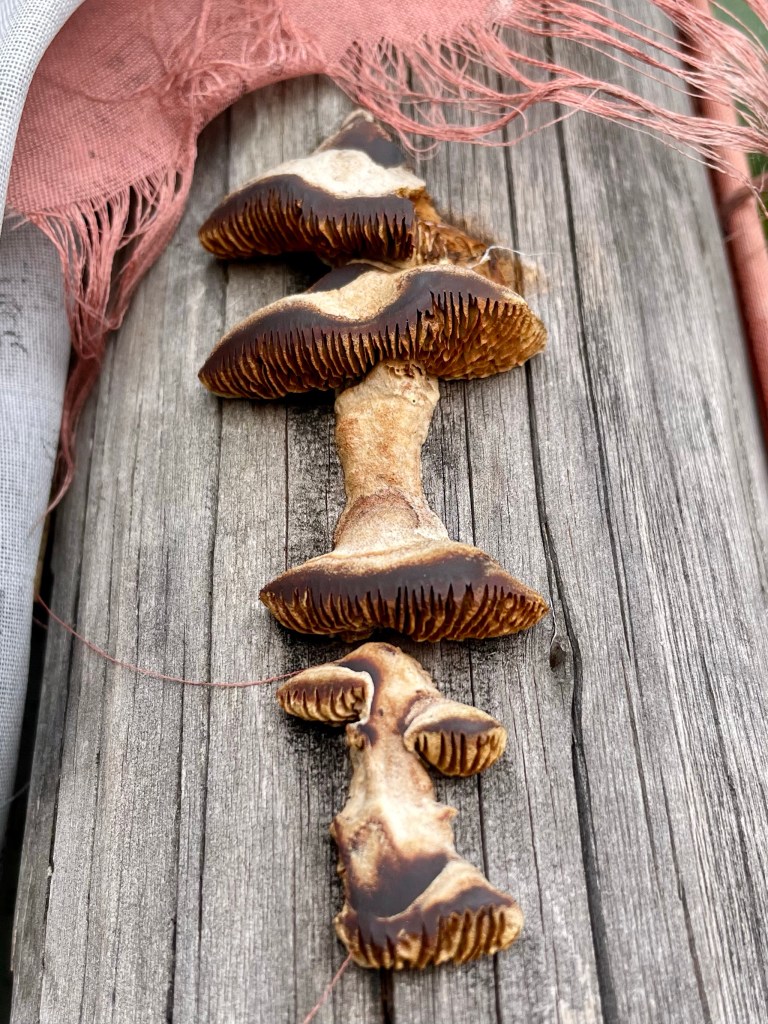
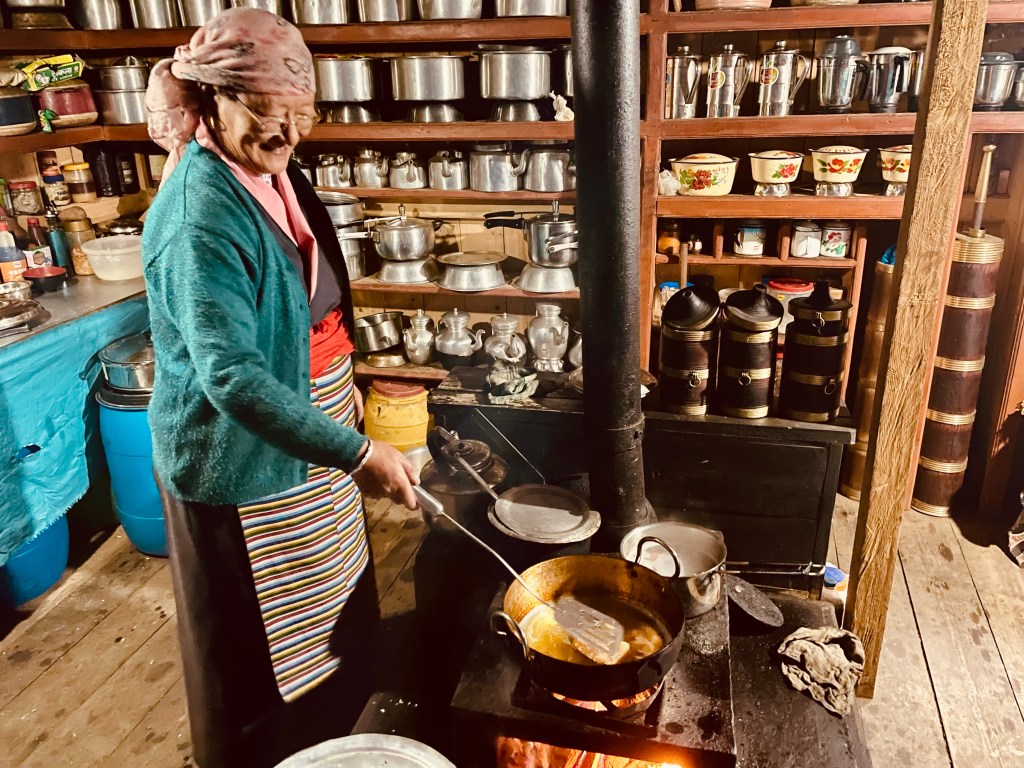
In the evenings we play cards, journal, or paint with our mini watercolor sets. Some of the tea houses have a wood stove which burn mostly dried patties of yak dung, Himalayan Birch, and other types of scavenged wood.



Our teammate Mike is good friends with the Dzonga family, who own a beautiful new tea house in Ghunsa and another in Khambachen up the way. When we arrived, Tsiring made us carrot cake with frosting to congratulate our arrival.
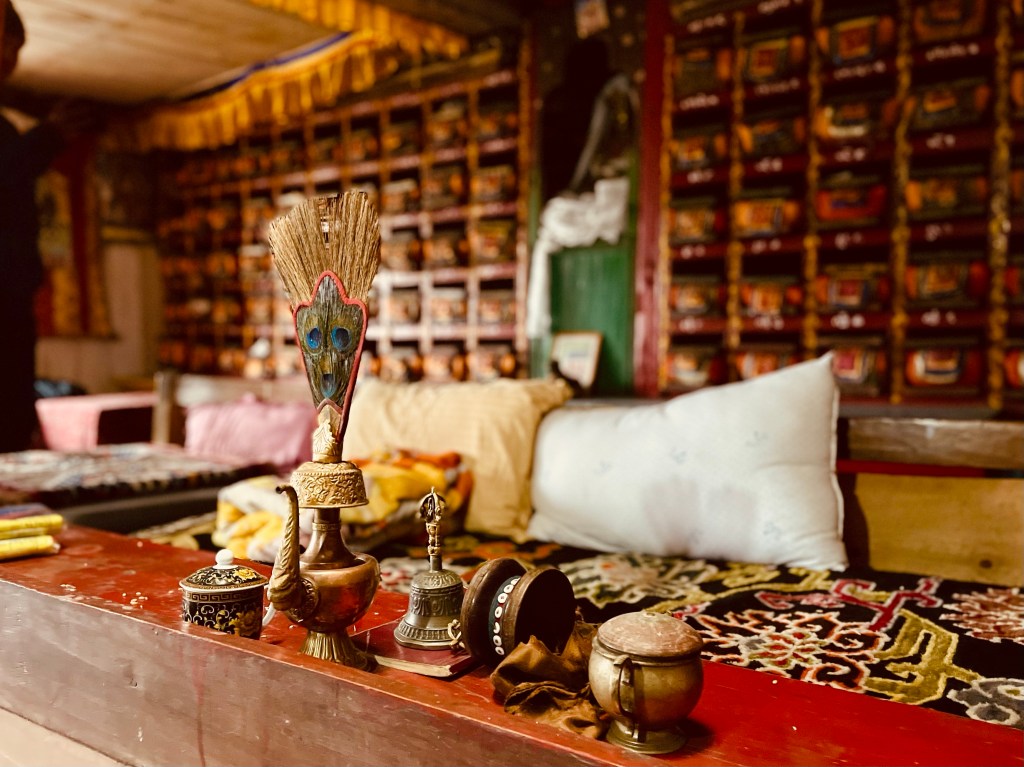
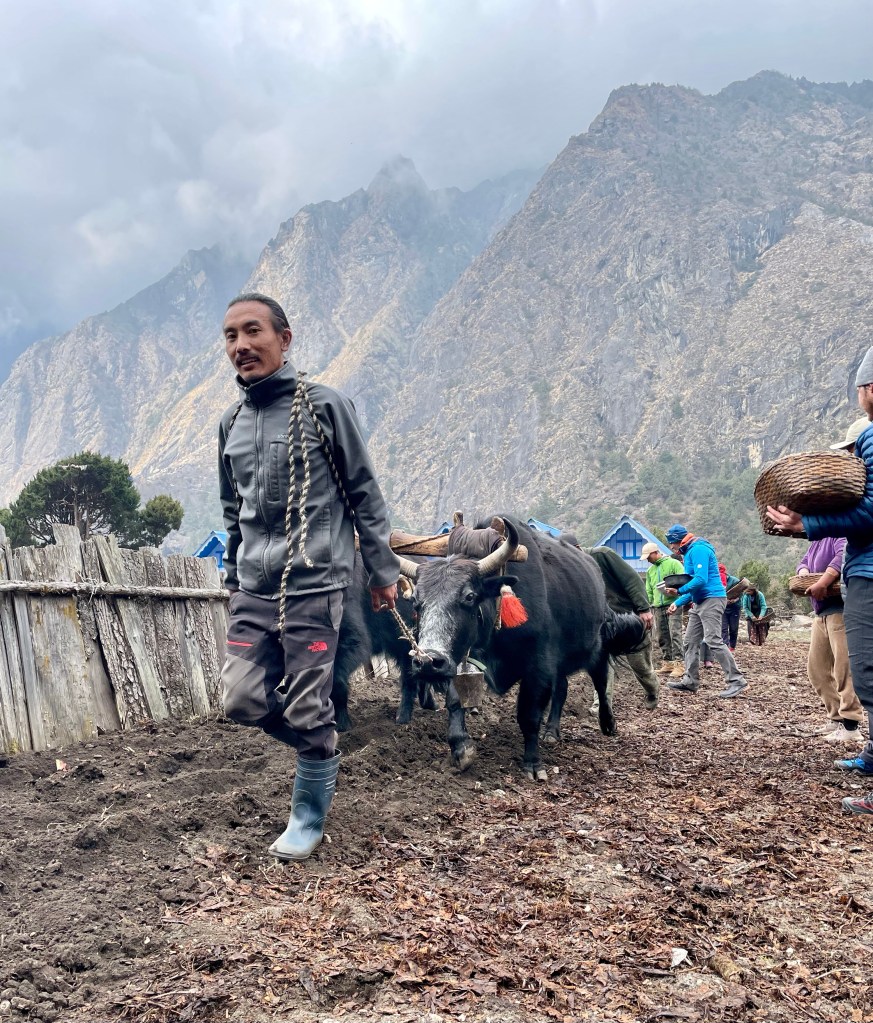
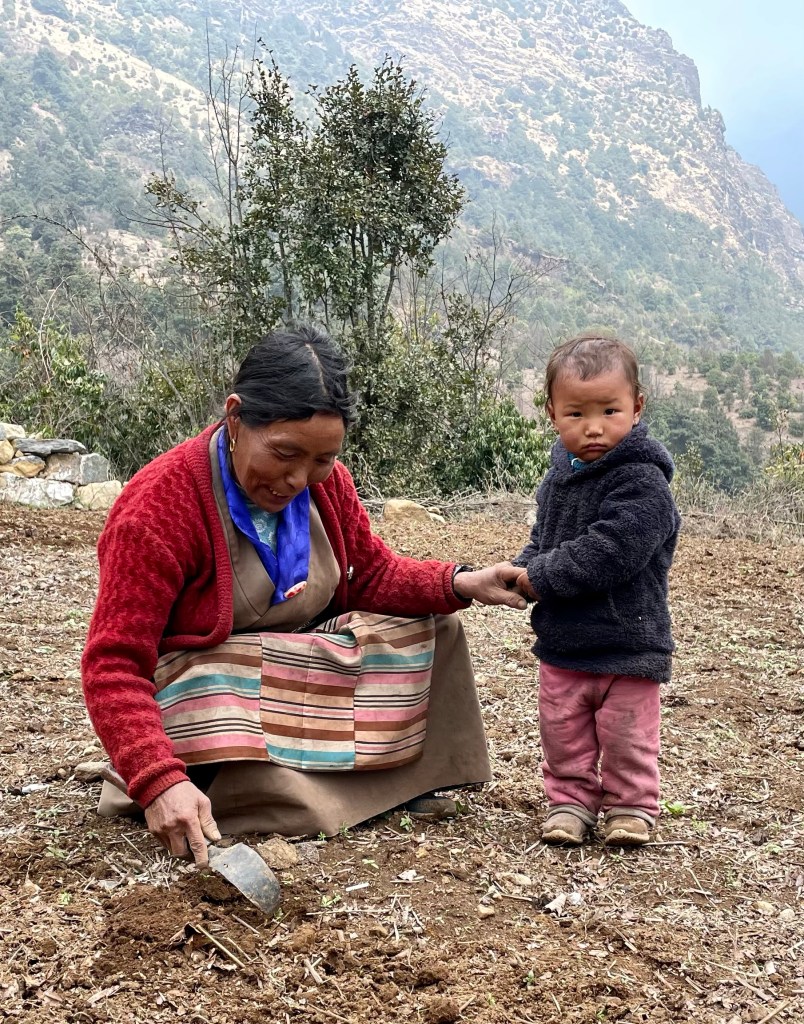
When we arrived in Ghunsa it was the beginning of the potato planting season. This is their primary crop and what they use to barter for other food such as rice, beans and other grains.
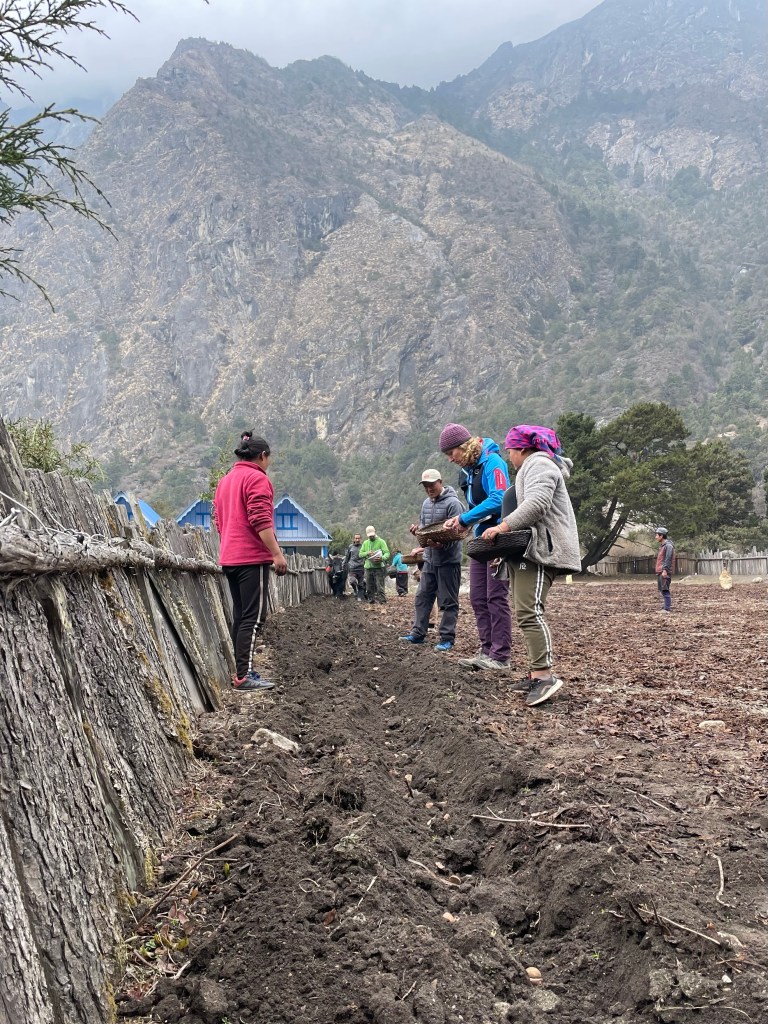
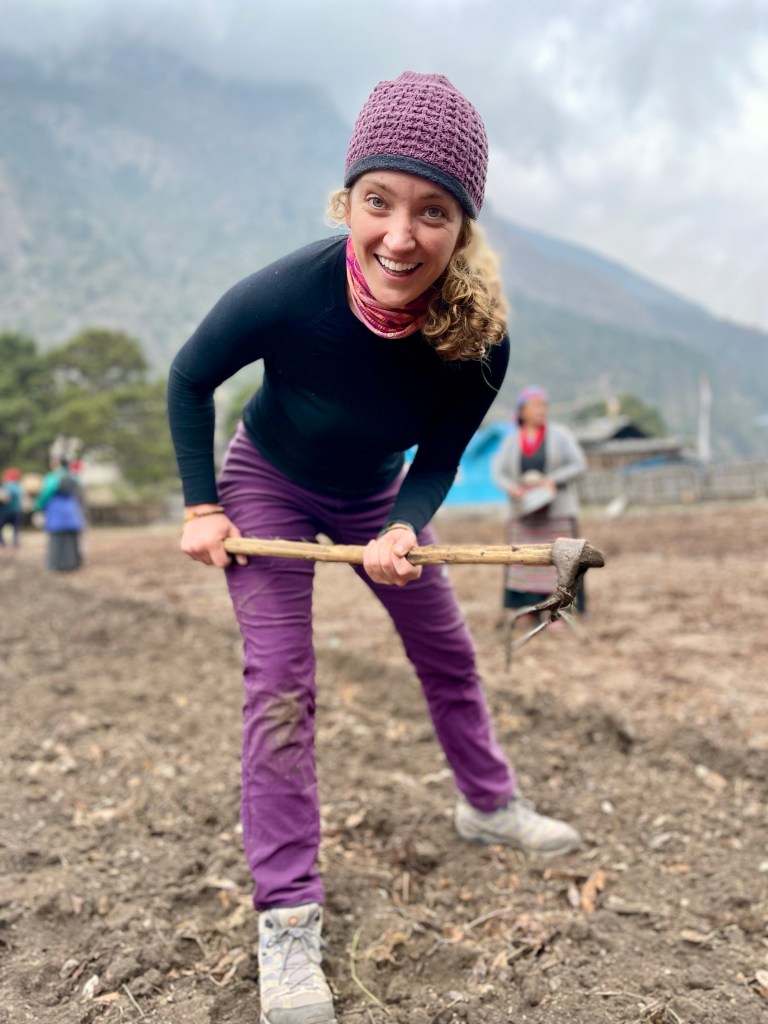
It was special to see how neighbors come together to help each other in one another’s fields. Lending a hand spreading compost first, then their dzokyos (cow/yak breed) to pull the plow, and families in the fields with little kids planting the potatoes behind the plow.


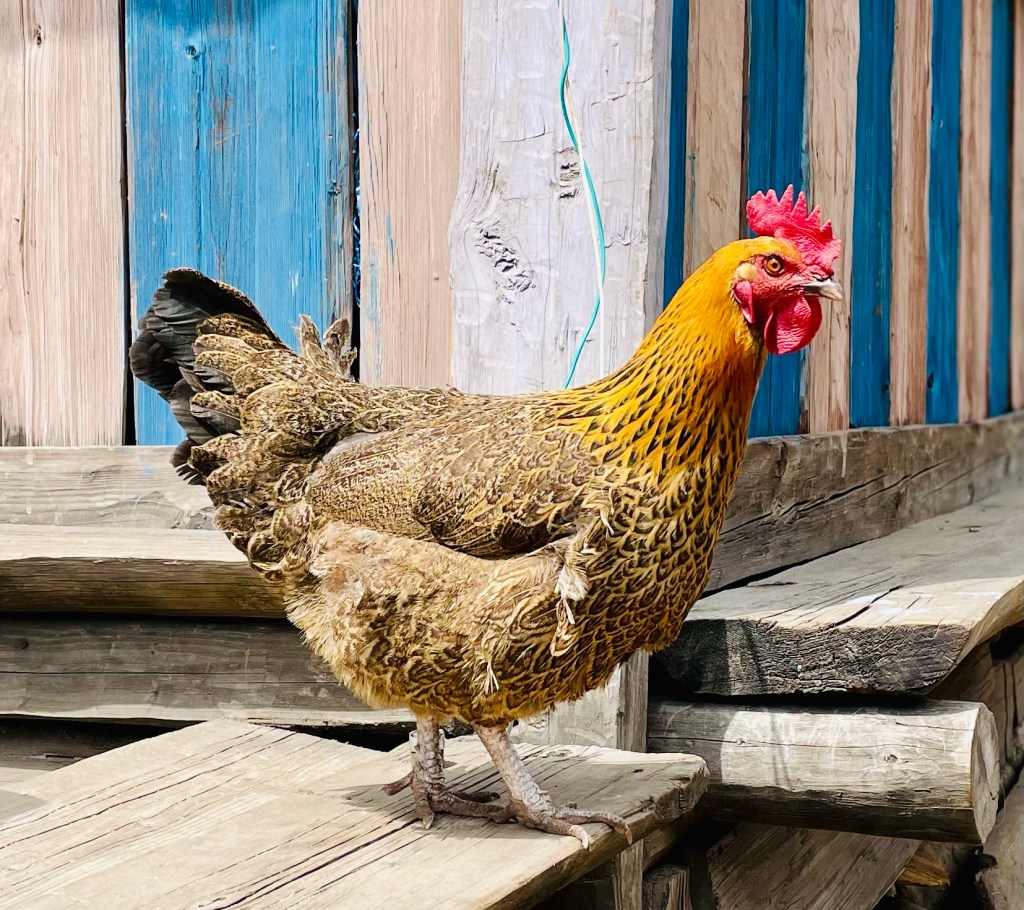
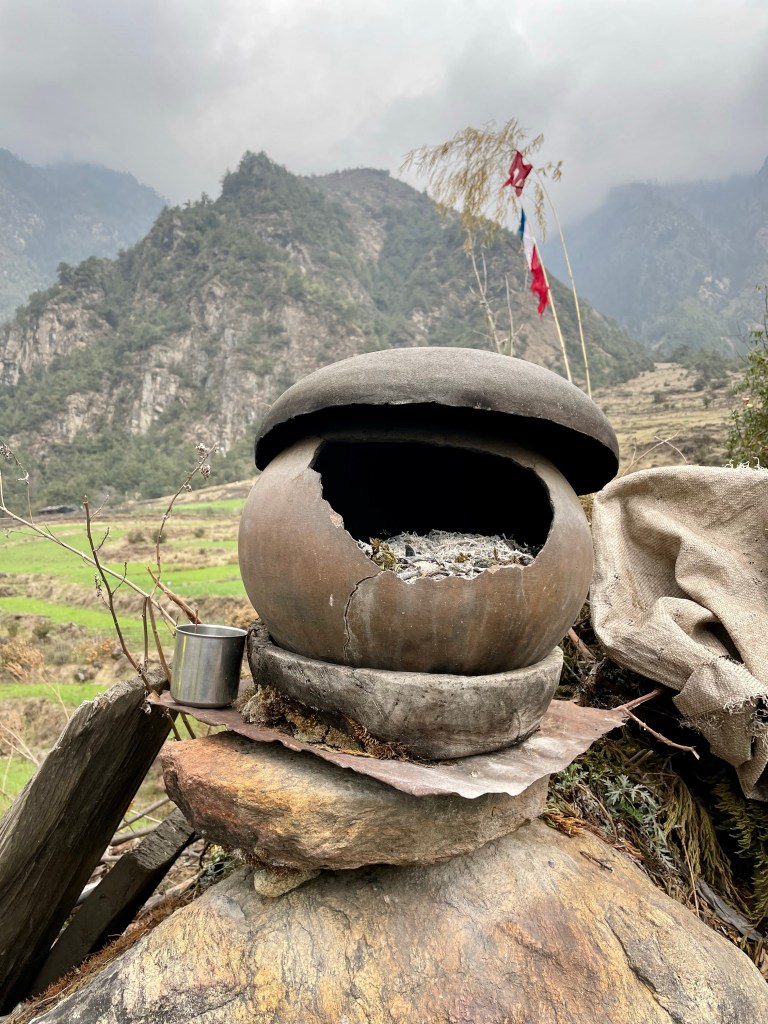
In the mornings you can always hear a rooster and smell the burning of dried juniper. Juniper is commonly burned as a morning puja.
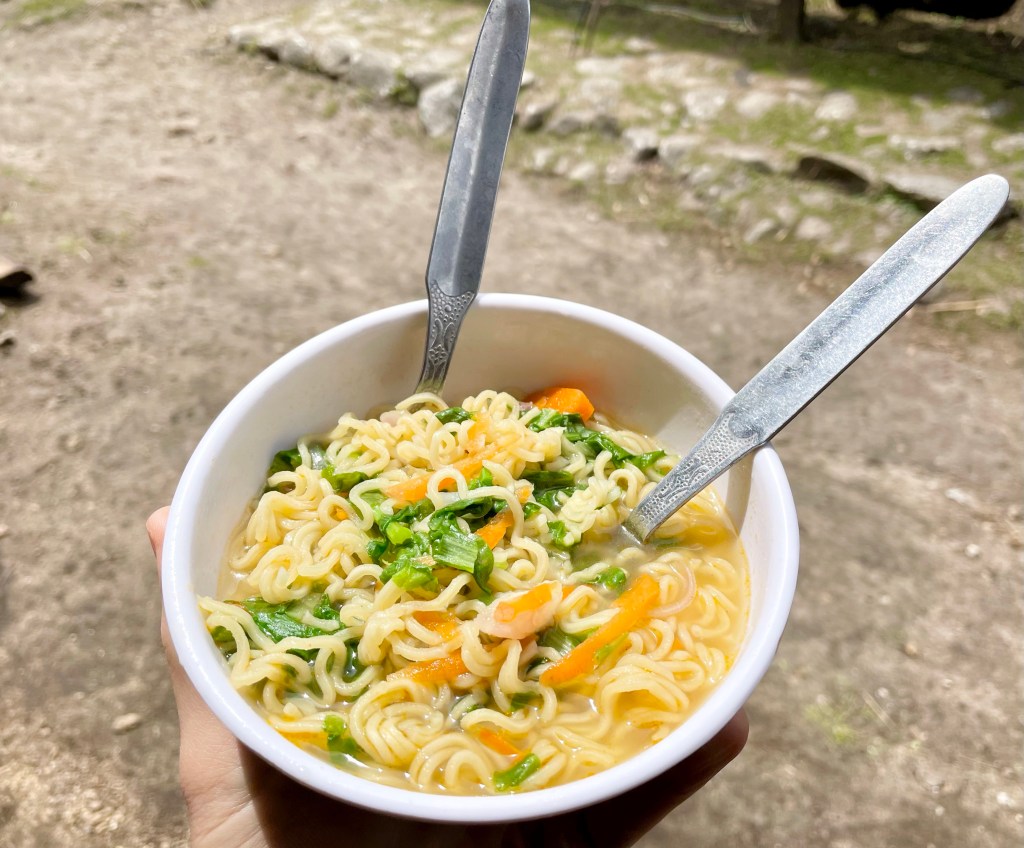
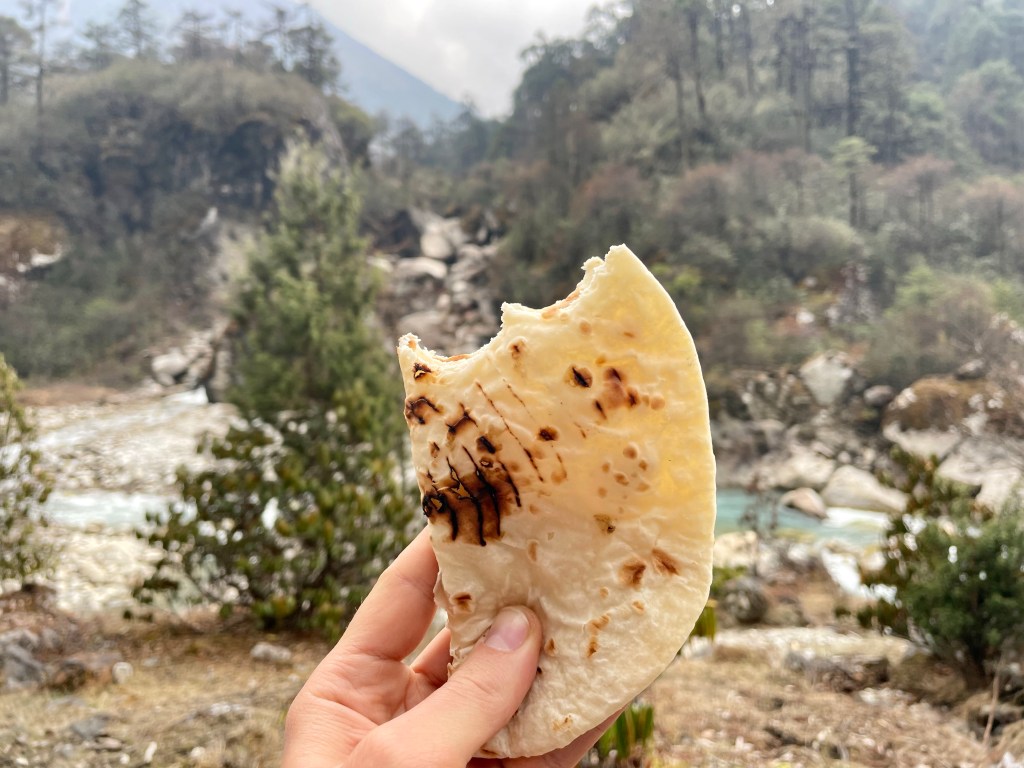
We’ve enjoyed the Tibetan breads most for breakfasts, usually with a veggie omelette, hard boiled eggs, or an oat or sampa porridge. Always with tea of course, we have been enjoying the classic Tokla brand Himalaya black tea served most places.

The weather has been tolerable so far with some hot days and others overcast. We seem to avoid the late afternoon rain by hiking early in the day. The weather pattern has been consistent and predictable.
We passed 10,000 ft in elevation and Tom was naturally unscathed. Sarah however, started to feel the altitude. The experience oscillates from a mild achey head pressure to a lighted headed dreamlike euphoria. It’s similar to holding your breath for as long as you can. You also get short of breath far more easily. We also learned you pee more as your body is acclimating and it’s not uncommon to get a headache in the evening. Propping up your head is helpful.
To help our bodies acclimate we go slow like turtles, keeping our heart rate in zone one, and take breaks every hour for water and snacks. When we reach new altitudes we take a rest day.

All in all, Nepal reveals itself to be more and more beautiful, the people have all been kind and thoughtful, and the experience more magical than we ever dreamed of.


Sarah & Tom,
This is amazing, the photos are fabulous and I’m in awe of what you’re doing! Thank you for sharing your trek❣️
LikeLike
The pictures downloaded as I was reading the story! Complete added bonus wow so cool. Spectacular descriptions I feel like a local there 🐝
LikeLike